
Does Acupuncture Actually Work? Yes! Here's What It Helps With Most
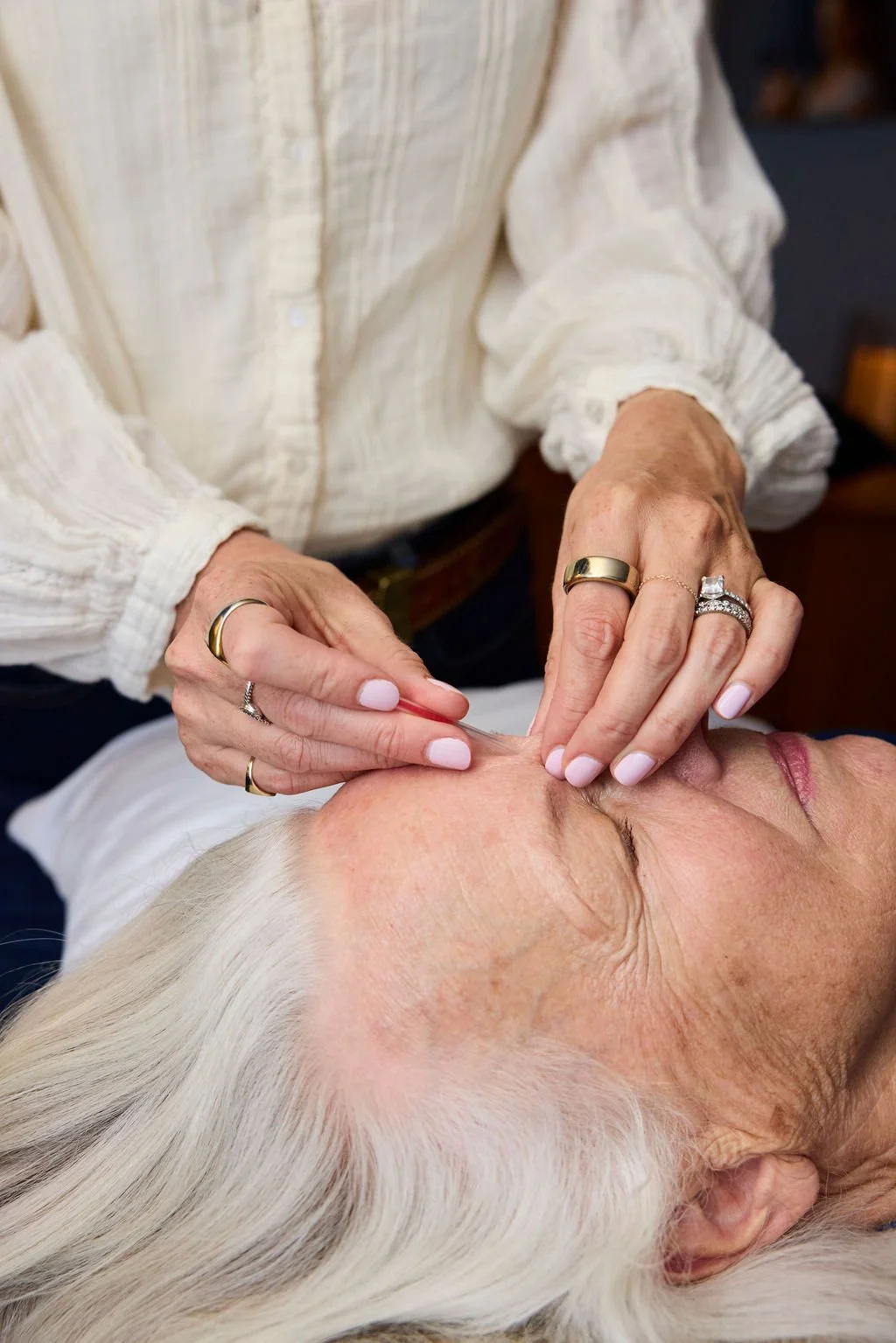
Let's cut straight to it: yes, acupuncture works — and not in a vague, "well, some people feel better" way. It has real, well-documented evidence behind it, it's offered inside major hospitals and cancer centers, and it's been refined over thousands of years of practice. The internet loves to muddy this, so here's the clear, confident version.
What acupuncture is especially good at
Acupuncture has strong, well-established evidence for chronic pain — back and neck pain, osteoarthritis, and tension and migraine headaches — where large research reviews consistently show meaningful, lasting relief. It's also a proven tool for nausea, particularly the kind that comes with chemotherapy, which is exactly why you'll find it offered right inside major cancer centers today. And it's genuinely effective for migraine and tension-headache prevention. For these, acupuncture isn't fringe or "worth a try" — it's a first-rate, well-studied option that stands on its own.
Where it changes everyday life
This is where our clients feel it most. A growing body of research — and, frankly, what we watch happen on our tables every single week — supports acupuncture for stress, anxiety, sleep, menstrual pain, and the hormonal turbulence of perimenopause, including hot flashes. People come in wound tight and depleted and leave lighter, steadier, and sleeping better. For the busy, overextended women we see across Fairfield County, that reset is often the thing that keeps them coming back.
Why it works
Those hair-thin needles are doing real physiological work. Placed at specific points, they influence your nervous system, improve circulation, and prompt your body to release its own pain-relieving and calming chemistry. You can think about it through the traditional lens of qi and meridians or the modern lens of neurology and blood flow — both point to the same truth: this is a measurable, active treatment, not just a relaxing hour (though it's certainly that too).
The honest promise
Here's what we love about acupuncture: we never have to oversell it. We won't tell you it cures everything — and that's exactly why you can trust us completely when we tell you it genuinely helps with the things above. That's the difference between a practice chasing hype and one built on real clinical results.
If any of this sounds like what you've been carrying — the pain, the tension, the wired-but-tired exhaustion, the hormonal ups and downs — you're a wonderful candidate to try it. Our licensed acupuncturists in Stamford and Westport would love to help you feel the difference for yourself.
Frequently Asked Questions
Does acupuncture hurt? Most people are surprised by how little they feel. Acupuncture needles are hair-thin — nothing like the needles you picture from a blood draw. You may feel a brief pinch or a dull, heavy sensation at a point, but the hour is usually deeply relaxing.
How many sessions before I see results? It depends on what you're treating. Some people feel a shift after one or two sessions; for chronic issues, a course of several sessions is more typical. Your acupuncturist should give you a realistic estimate up front rather than an open-ended plan.
Is acupuncture safe? When performed by a licensed acupuncturist using sterile, single-use needles, acupuncture is very low-risk. Side effects are usually minor, like slight bruising or temporary tiredness. Always make sure your practitioner is properly licensed.
What should I expect at my first appointment? A thorough intake conversation about your health and goals, then a treatment where fine needles are placed at specific points while you rest. Most people leave relaxed. Wear comfortable clothing and don't come on a completely empty stomach.